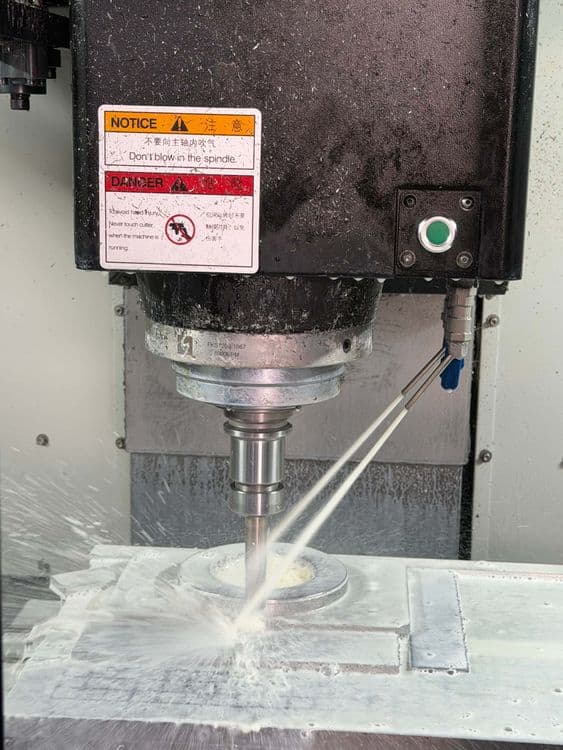
Advantages of CNC milling machines
High Precision Machining: Dimensional accuracy can reach ±0.01~±0.05mm, ensuring part consistency and precision.
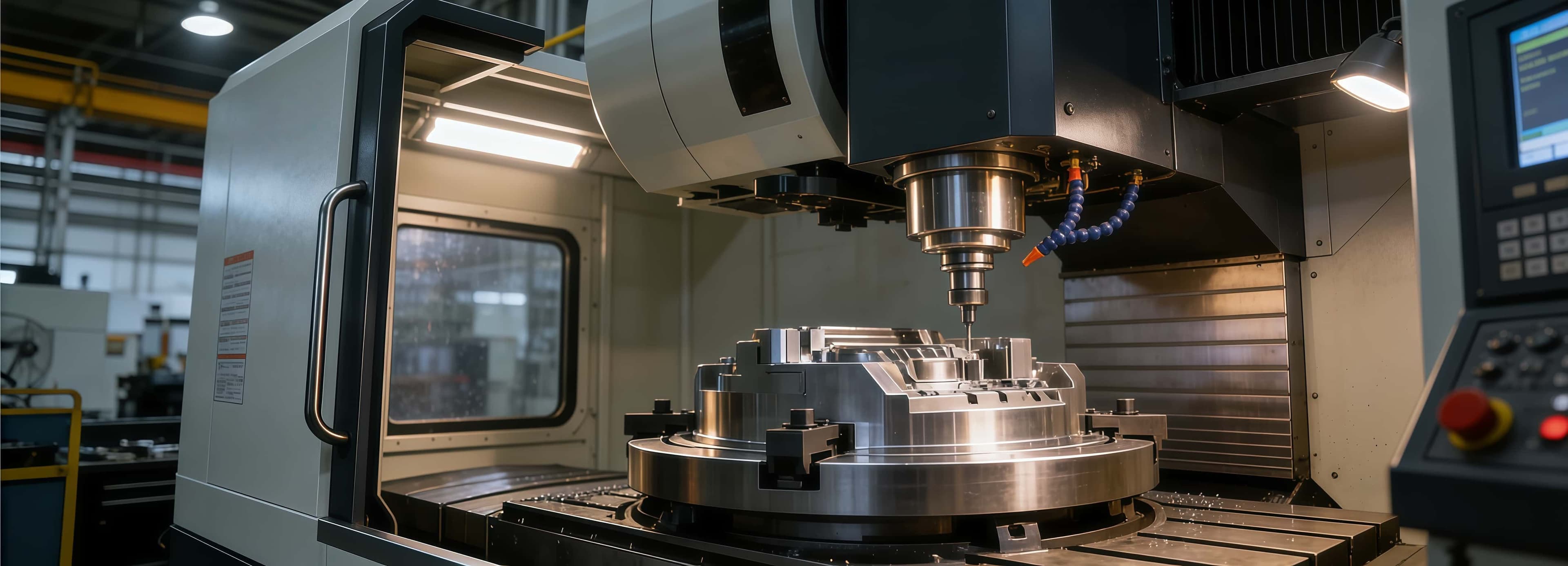
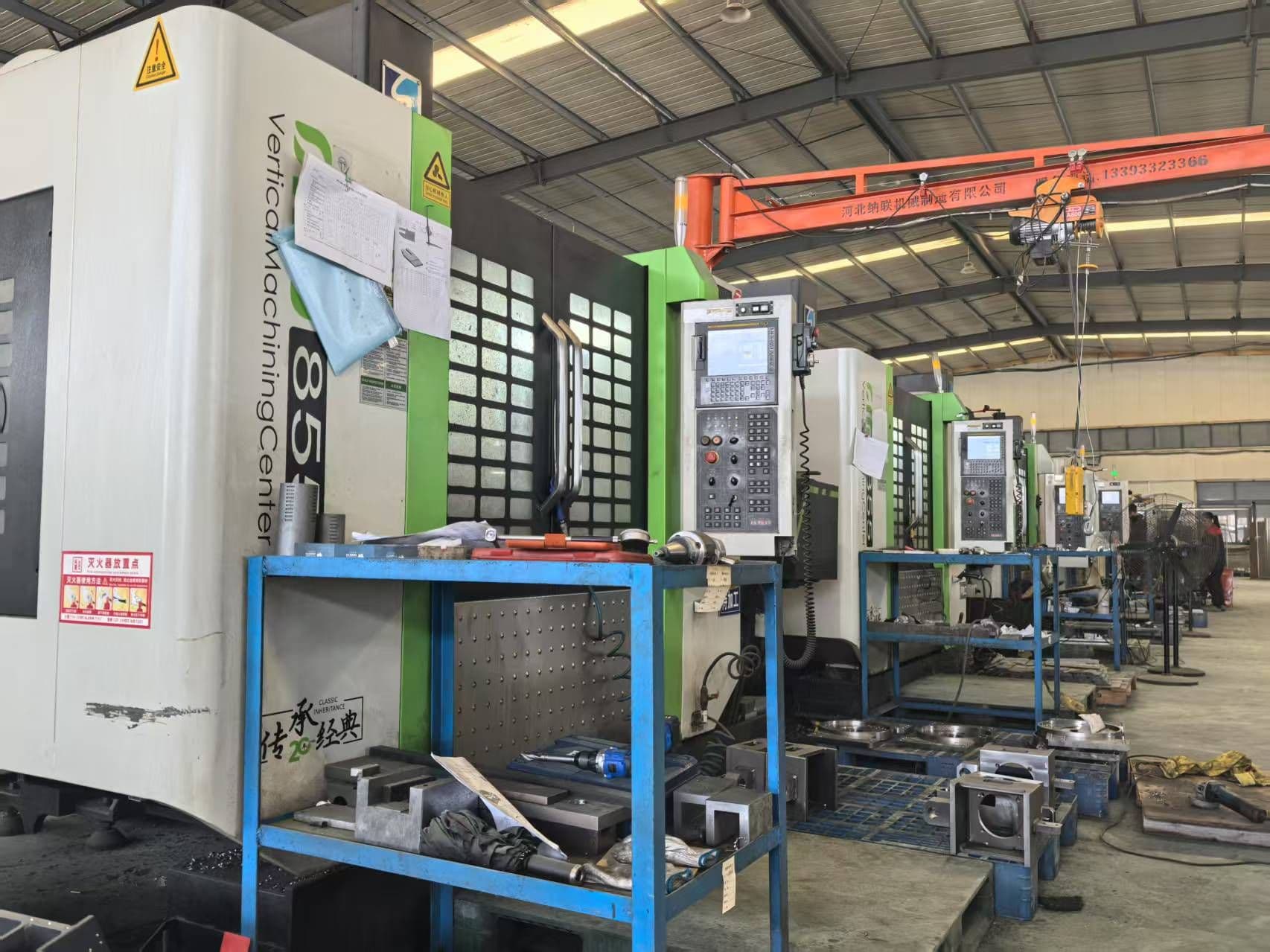
High Efficiency & Automation: After programming, it enables continuous automatic processing. Efficiency is several times to dozens of times higher than traditional milling. It supports multi-axis linkage and can process multiple surfaces in one single clamping.
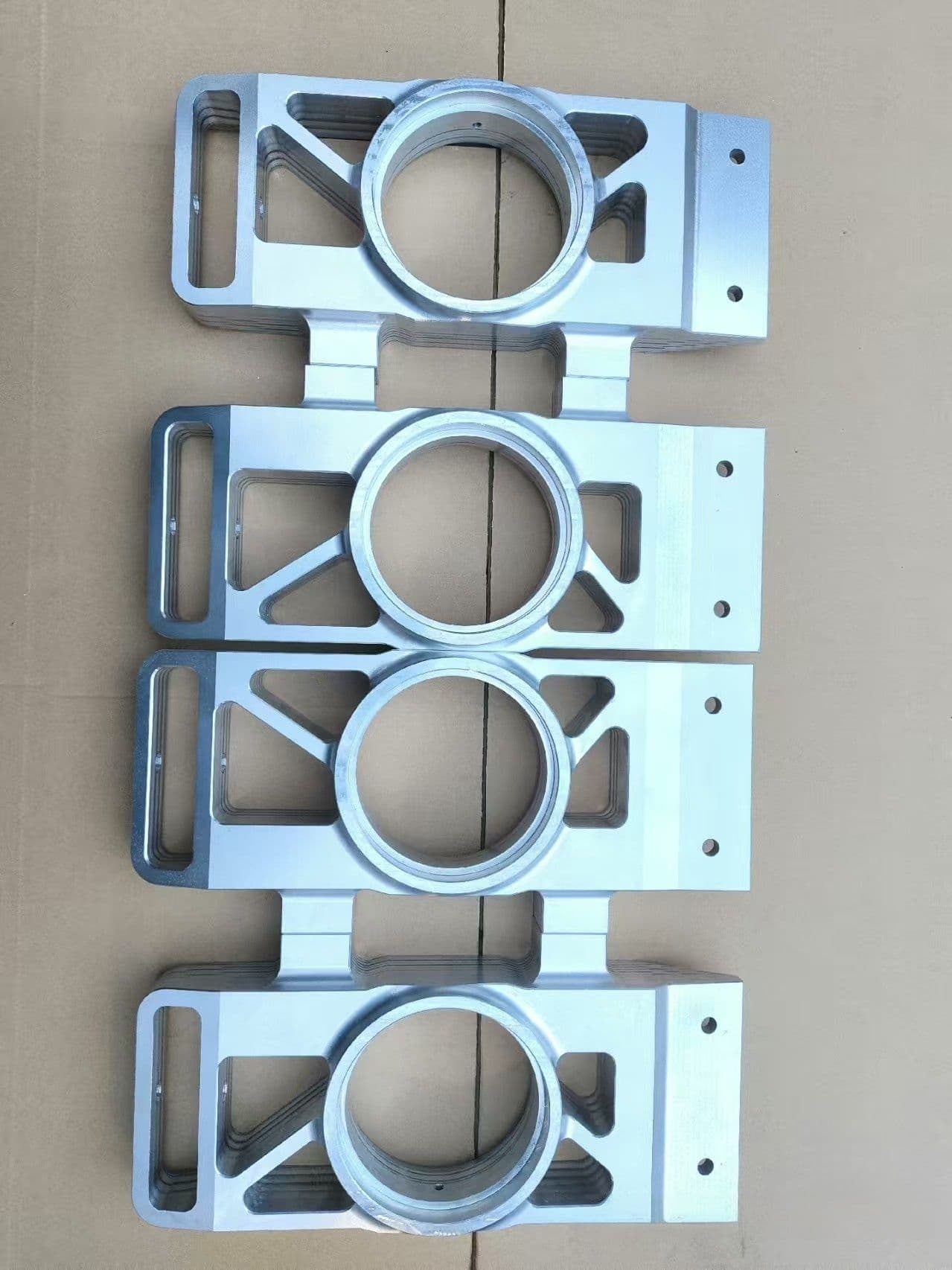
Complex Shape Processing Capability: Capable of processing various complex 3D structures such as free-form surfaces, cavities, and bosses.
Flexibility & Versatility: By changing tools and adjusting programs, it can process a variety of metals and composite materials.
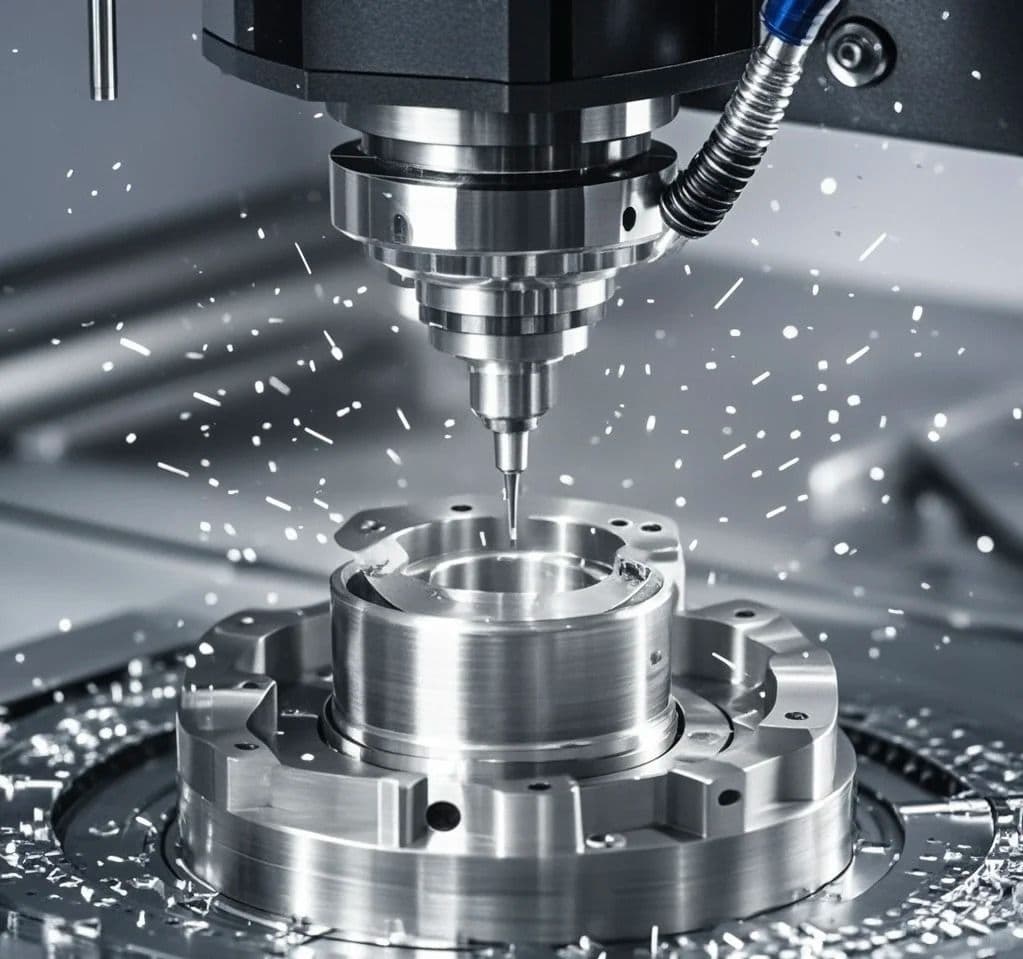
Excellent Surface Quality: With optimized parameters, the surface roughness can reach Ra1.6~Ra6.3μm.
Minimized Human Error: The entire process is controlled by computer programs, reducing manual mistakes and ensuring stable and consistent processing quality.
Applications for CNC milling machines
Aerospace: Processes engine components such as impellers, blades, and casings, as well as complex structural parts like frames and joints. Meets the requirements for high precision and high reliability.
Automotive Manufacturing: Machines engine core parts including cylinder blocks, cylinder heads, and crankshafts, along with various automotive molds such as injection and stamping dies.
Electronic Equipment: Fabricates precision parts like equipment casings, radiators, and circuit board slots. Adapts to the demands for miniaturization, lightweight design, and high performance.
Medical Devices: Produces surgical instruments, implants, and device casings. Delivers high precision and excellent surface quality to meet stringent industry standards.
General Machining: Processes general parts such as gears, shafts, casings, and connectors. Improves machining precision and production efficiency to serve diverse industry needs.